Explore the Advantages of Fat Tire Bikes: Fat Tire Bike Features Uncovered

Fat tire bikes have surged in popularity over recent years, captivating riders with their unique design and versatile performance. These bikes are not just a trend but a practical choice for many cycling enthusiasts. If you are curious about what makes fat tire bikes stand out, this article will guide you through their key features, benefits, and some considerations to keep in mind.
Understanding Fat Tire Bike Features
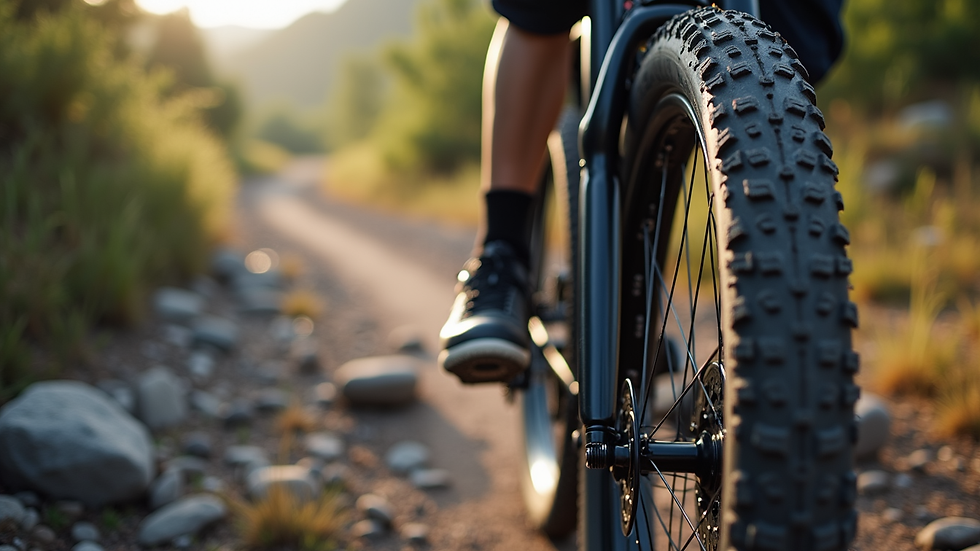
Fat tire bikes are characterized by their oversized tires, typically ranging from 3.8 inches to 5 inches wide. These wide tires provide a larger surface area in contact with the ground, which translates into several distinct advantages.
Enhanced Traction: The broad tires grip surfaces better, making it easier to ride on loose or slippery terrain such as sand, snow, mud, and gravel.
Improved Stability: The increased tire width offers greater balance and control, especially on uneven or rough trails.
Comfortable Ride: Fat tires absorb shocks and vibrations, reducing the impact on the rider and providing a smoother experience.
Lower Tire Pressure: These bikes run at lower tire pressures (often between 5-15 psi), which helps in cushioning bumps and improving traction.
Fat tire bikes often come with sturdy frames and wide rims to support the large tires. They can be equipped with various gearing options to suit different riding styles, from casual cruising to aggressive off-road adventures.
Why Choose a Fat Tire Bike? Key Advantages
Choosing a fat tire bike opens up new possibilities for cycling enthusiasts. Here are some of the main advantages that make these bikes a compelling option:
1. Versatility Across Terrains
Fat tire bikes excel in diverse environments. Whether you want to ride on sandy beaches, snowy paths, muddy trails, or rocky landscapes, these bikes handle it all with ease. Their wide tires prevent sinking and provide excellent grip, allowing you to explore places where traditional bikes might struggle.
2. Increased Comfort and Reduced Fatigue
The ability of fat tires to absorb shocks means less strain on your body. You can ride longer distances without feeling as much fatigue, making fat tire bikes ideal for adventure seekers and casual riders alike.
3. Better Stability and Control
The wide tires and low pressure improve balance, which is especially helpful for beginners or riders tackling challenging terrain. This stability reduces the risk of falls and increases confidence on the bike.
4. Fun and Unique Riding Experience
Riding a fat tire bike feels different from a standard bike. The sensation of floating over rough surfaces and the ability to conquer unusual trails add an element of fun and excitement to your rides.
5. Year-Round Riding Capability
Thanks to their design, fat tire bikes are suitable for all seasons. Snowy winters or wet, muddy conditions won’t stop you from enjoying your cycling adventures.
If you are interested in a specific model, the fat tire bike h9 is a great example that combines these features with modern design and durability.

What are the disadvantages of a fat tire bike?
While fat tire bikes offer many benefits, it is important to consider some potential drawbacks before making a purchase:
Weight: Fat tire bikes tend to be heavier than traditional bikes due to their larger tires and reinforced frames. This can make them harder to pedal uphill or carry.
Speed: The wide tires create more rolling resistance, which can reduce overall speed on smooth surfaces like pavement.
Cost: Fat tire bikes are often more expensive than standard mountain or road bikes because of their specialized components.
Maintenance: The larger tires and rims may require more frequent maintenance and can be more costly to replace.
Storage and Transport: Due to their size, fat tire bikes can be bulkier to store and transport, which might be inconvenient for some riders.
Despite these disadvantages, many riders find that the benefits outweigh the downsides, especially if they plan to ride in varied or challenging conditions.
How to Choose the Right Fat Tire Bike for You
Selecting the perfect fat tire bike depends on your riding style, terrain preferences, and budget. Here are some tips to help you make an informed decision:
Determine Your Primary Use: Are you planning to ride mostly on trails, snow, sand, or urban roads? Different models may be optimized for specific conditions.
Consider Tire Width: Wider tires offer more stability and comfort but can add weight. Choose a width that matches your needs.
Frame Material: Aluminum frames are lightweight and affordable, while steel frames offer durability and a smoother ride.
Gearing Options: Look for bikes with appropriate gearing for your terrain. More gears help with climbing hills and varied landscapes.
Test Ride: If possible, test ride different models to get a feel for comfort, handling, and fit.
Budget: Fat tire bikes vary widely in price. Set a budget but be prepared to invest in quality for better performance and longevity.
By carefully considering these factors, you can find a fat tire bike that enhances your cycling experience.
Tips for Maintaining Your Fat Tire Bike
Proper maintenance ensures your fat tire bike performs well and lasts longer. Here are some practical tips:
Check Tire Pressure Regularly: Maintain the recommended low pressure for optimal traction and comfort.
Clean Tires and Frame: Remove mud, sand, and debris after rides to prevent wear and corrosion.
Inspect Brakes and Gears: Ensure brakes are responsive and gears shift smoothly.
Lubricate Chain: Keep the chain clean and lubricated to avoid rust and improve efficiency.
Store Properly: Keep your bike in a dry place away from extreme temperatures.
Regular maintenance not only improves safety but also enhances your riding enjoyment.
Embrace the Adventure with Fat Tire Bikes
Fat tire bikes open up a world of cycling possibilities. Their unique features make them suitable for riders who want to explore beyond paved roads and conventional trails. Whether you are seeking adventure on sandy beaches, snowy paths, or rugged terrain, a fat tire bike can be your perfect companion.
By understanding the advantages and considerations of fat tire bikes, you can make a confident choice that suits your lifestyle and riding goals. So why not take the plunge and experience the thrill of riding a fat tire bike today? Your next great adventure awaits!


Comments